
Top Dog Walks in London: Richmond Park
There’s a particular kind of light you only get in Richmond Park.
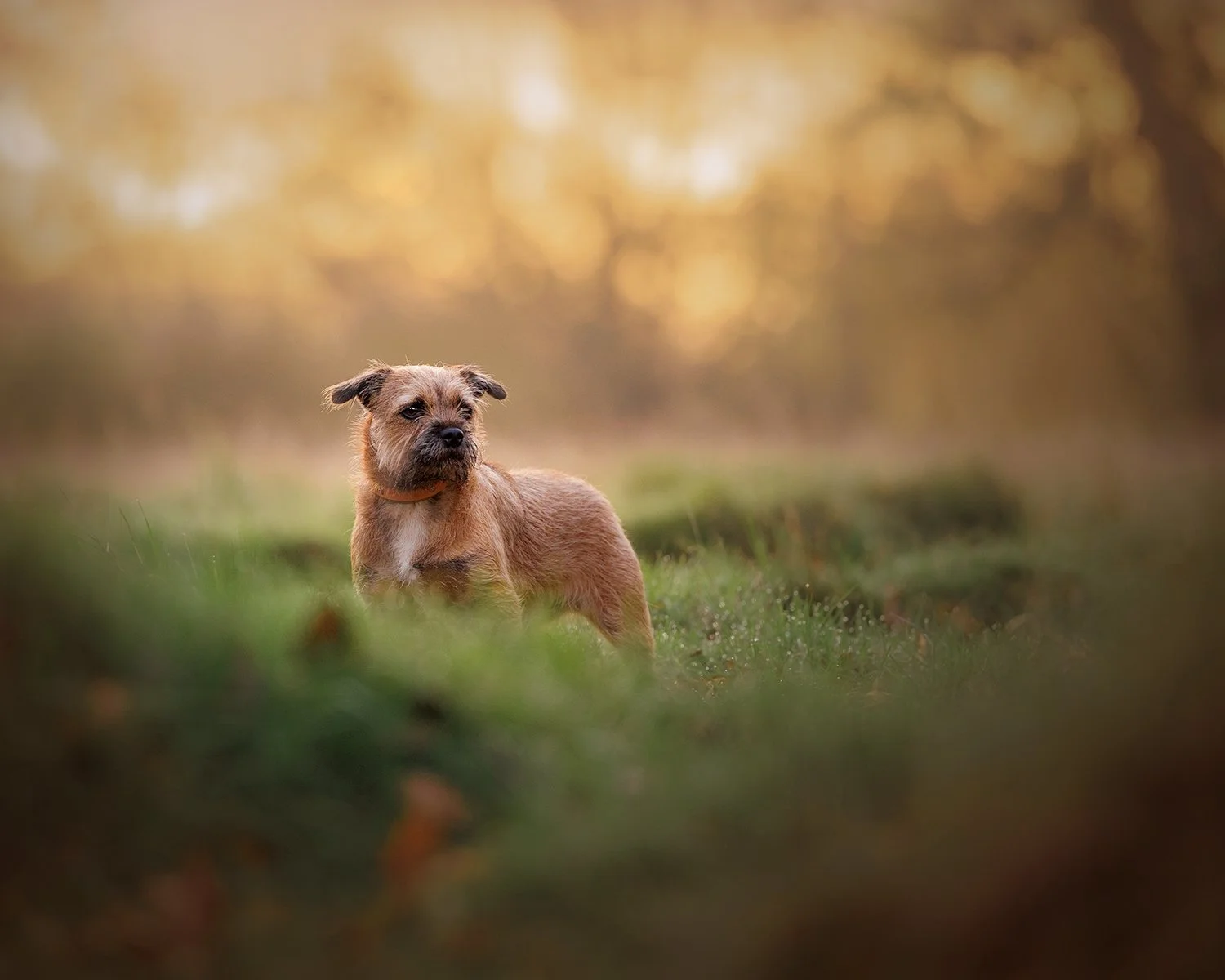
It happens early, when the sun starts to lift behind the trees and the whole world seems to glow at the edges. I’ve photographed dogs here many times, and that sunrise backlight still stops me in my tracks. Dogs look almost haloed, coats lit from behind, ears edged in gold, their outlines crisp against the soft morning haze. It’s one of those moments where London briefly disappears, and you remember you’re standing in 2,500 acres of ancient landscape, with wild deer moving quietly in the distance.
Richmond Park is a place of contrasts in the best way. Woodland and open meadow. Wide skies and tucked-away paths. The floral magic of Isabella Plantation, bluebells in spring, and long stretches where your dog can finally drop into a calmer rhythm. It’s also a park that asks something of us. Not perfection, just awareness. Because sharing space with deer, horses, cyclists, and other walkers means walking with intention, not entitlement.
This guide is designed to be your one-stop, dog-guardian-friendly resource for visiting Richmond Park. Where to park, how to plan your route, what to look out for, and how to make the experience feel good for your dog, not just impressive on paper.
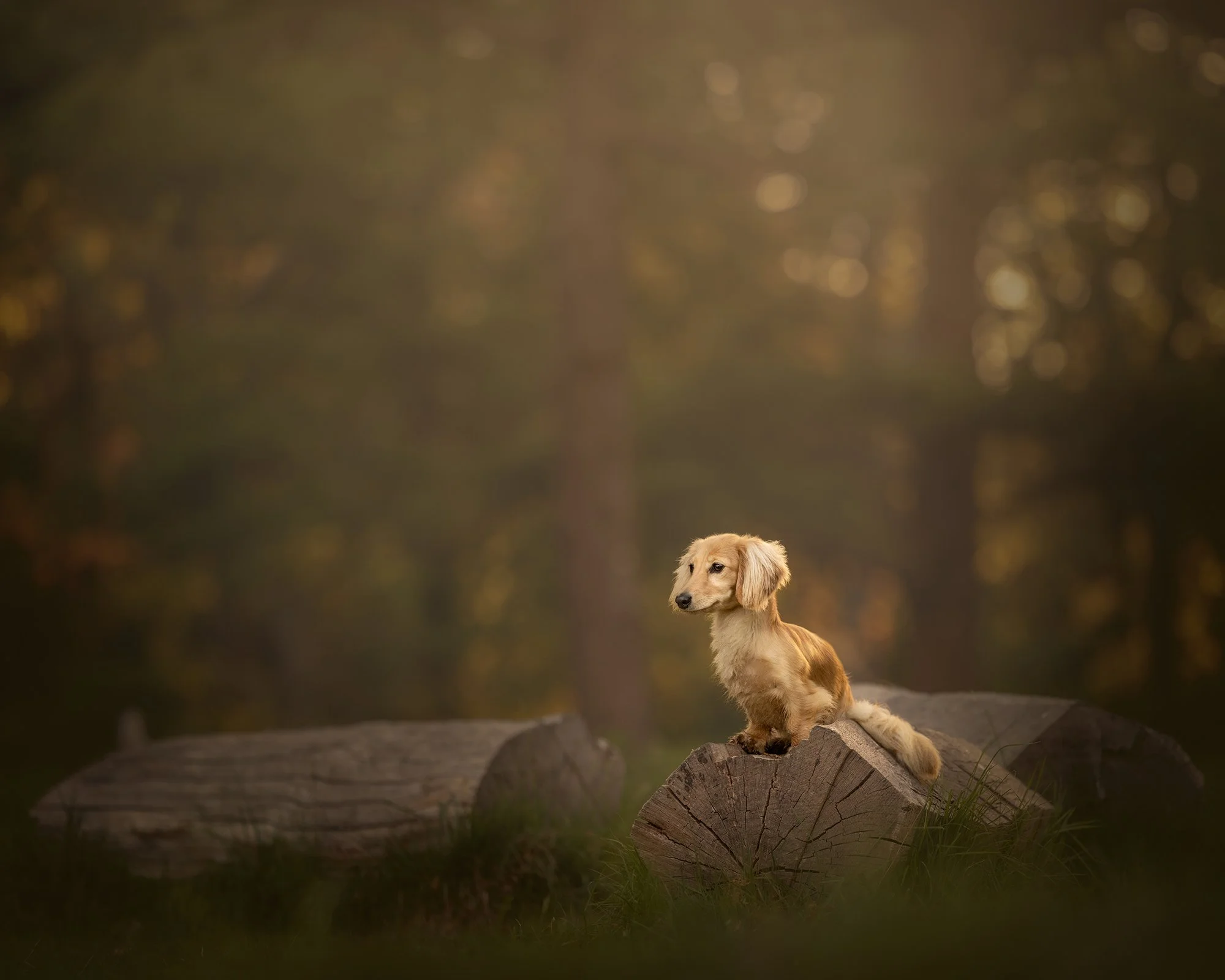
Sometimes the most beautiful portraits happen before anyone says a word. Explore Outdoor Sessions Here.
Why Richmond Park works so well for dogs
The simplest answer is scale, but the more meaningful answer is choice.
Richmond Park gives you options. That matters because dogs are not consistent from day to day. A dog who copes brilliantly with greetings one week might feel wobbly the next. A young dog might need freedom and movement, while an older dog might need gentle terrain and time.
Here, you can choose:
Open meadow for big, decompression walks
Woodland for shade, scent, and calmer energy
Wide routes where you can create distance easily
Quieter corners for dogs who need space to settle
It’s also an environment that lends itself beautifully to dog-led enrichment. Scent trails are abundant, changing textures underfoot, shifting views, and natural points of interest. Many dogs leave Richmond Park mentally tired in the best way, not because they’ve marched for miles, but because they’ve had time to sniff, process, and breathe.
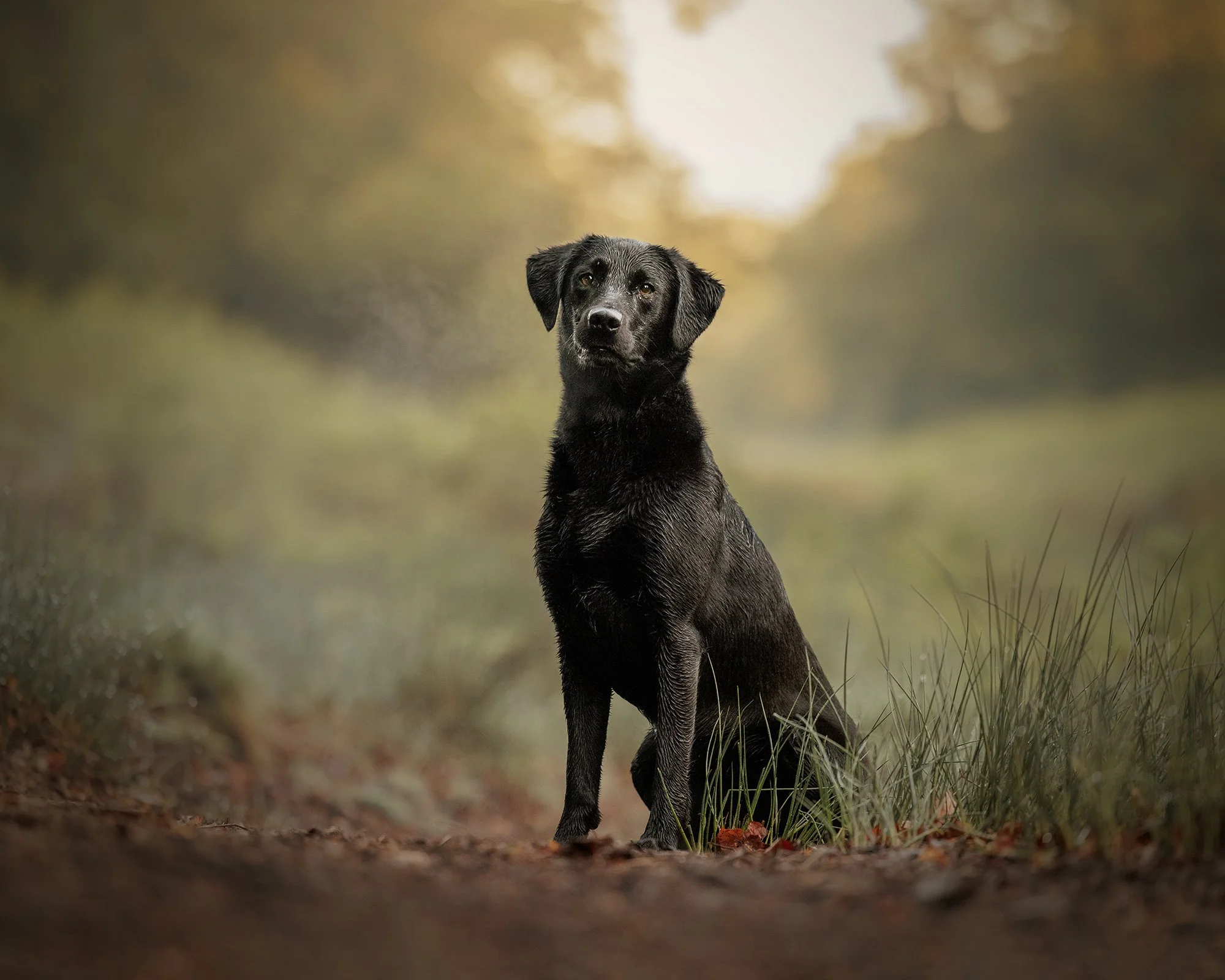
Richmond Park basics at a glance
A few helpful anchor points before we get into routes and nuance:
Pedestrian gates: open 24/7
Vehicle gates: open limited hours (check current times before you drive)
Car parking in the park: free of charge
Dogs are welcome, with important rules around deer, ponds, and specific gardens
One extra practical note: The Royal Parks have introduced a weekday change at Kingston Gate Car Park, with a later opening time of 9 am on weekdays from 3 March (weekends unaffected).
That’s the kind of detail that can save you from a frustrating arrival, especially if you’re an early-morning person.
The deer question, handled kindly and clearly
You’ve already got the right instinct here, and it aligns with official advice too.
Richmond Park’s deer are wild. They deserve space and respect, and they can be unpredictable if approached too closely. The Royal Parks advise keeping at least 50 metres away from deer, and to be especially vigilant during:
Rutting season: September to November
Birthing season: May to July
My practical rule (that keeps everyone safe)
If you can see deer clearly nearby, your dog goes on lead.
Not as a punishment, not because your dog is “the problem”, but because it’s the simplest way to prevent a situation escalating. And if you ever need to change direction because deer are close, it’s genuinely not a big deal here. The whole park is gorgeous. You simply move, give space, and find another beautiful pocket to walk in.
Important official lead requirements
Dogs must be on leads in all areas during deer birthing season, 1 May to 31 July inclusive.
Dogs should be on lead near deer throughout the year, and it’s an offence for a dog to chase deer.
Dogs must be on leads around lakes and ponds, including Pen Ponds.
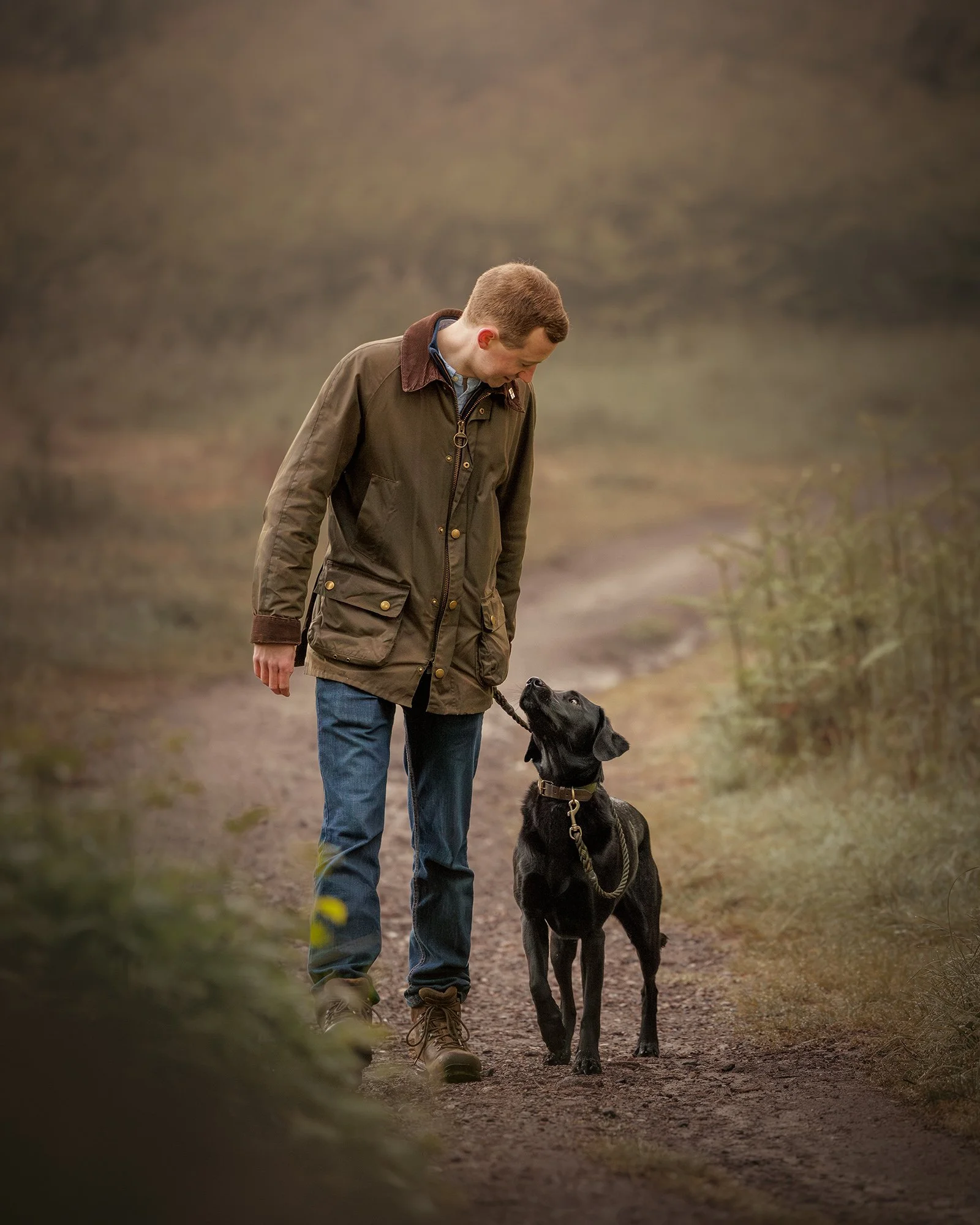
Respecting wildlife is part of what makes this place feel so special. Explore My Outdoor Sessions Here.
Where to enter and where to park
Richmond Park has multiple gates and several main car parks. The good news is you’re not locked into one “right” option. The best choice depends on what you want that day: woodland, wide-open space, the Isabella Plantation, cafés, flatter terrain, or quieter starts.
Main car parks to know about
The park’s main car parks include areas at:
Pembroke Lodge
Kingston Gate
Broomfield Hill
Robin Hood Gate
Roehampton Gate
Sheen Gate
Pen Ponds
Parking in Richmond Park is free.
Arrival tips that make the whole day smoother
Early mornings are calmer, quieter, and give you the best light if you’re photographing too
In autumn, build in extra flexibility because deer activity can shape your route
If you’re planning Isabella Plantation, factor in that it can be popular at peak bloom
Drive slowly and watch for wildlife on roads inside the park
If you’d like to explore what a relaxed, dog-first photography session looks like, you can read more about how I work and the environments I choose on my session page.
Points of interest worth lingering at (with your dog)
This is one of the best parts of Richmond Park, and one reason it deserves a longer guide than most London parks. The points of interest are not just scenic, they’re useful. They help you orient yourself, shape your walk, and create gentle pauses that dogs often benefit from.
Isabella Plantation (floral woodland magic)
If you want seasonal colour, softer woodland light, and a place that feels almost cinematic in spring, Isabella Plantation is it.
Open year-round (with occasional early closures in April/May)
Toilets inside Isabella Plantation, including accessible cubicles
Dogs are permitted, but on lead
From a dog’s perspective, it’s a sensory feast. A slower pace, more contained paths, new scents, birdsong, and the kind of dappled light that makes even a quick phone photo look dreamy.
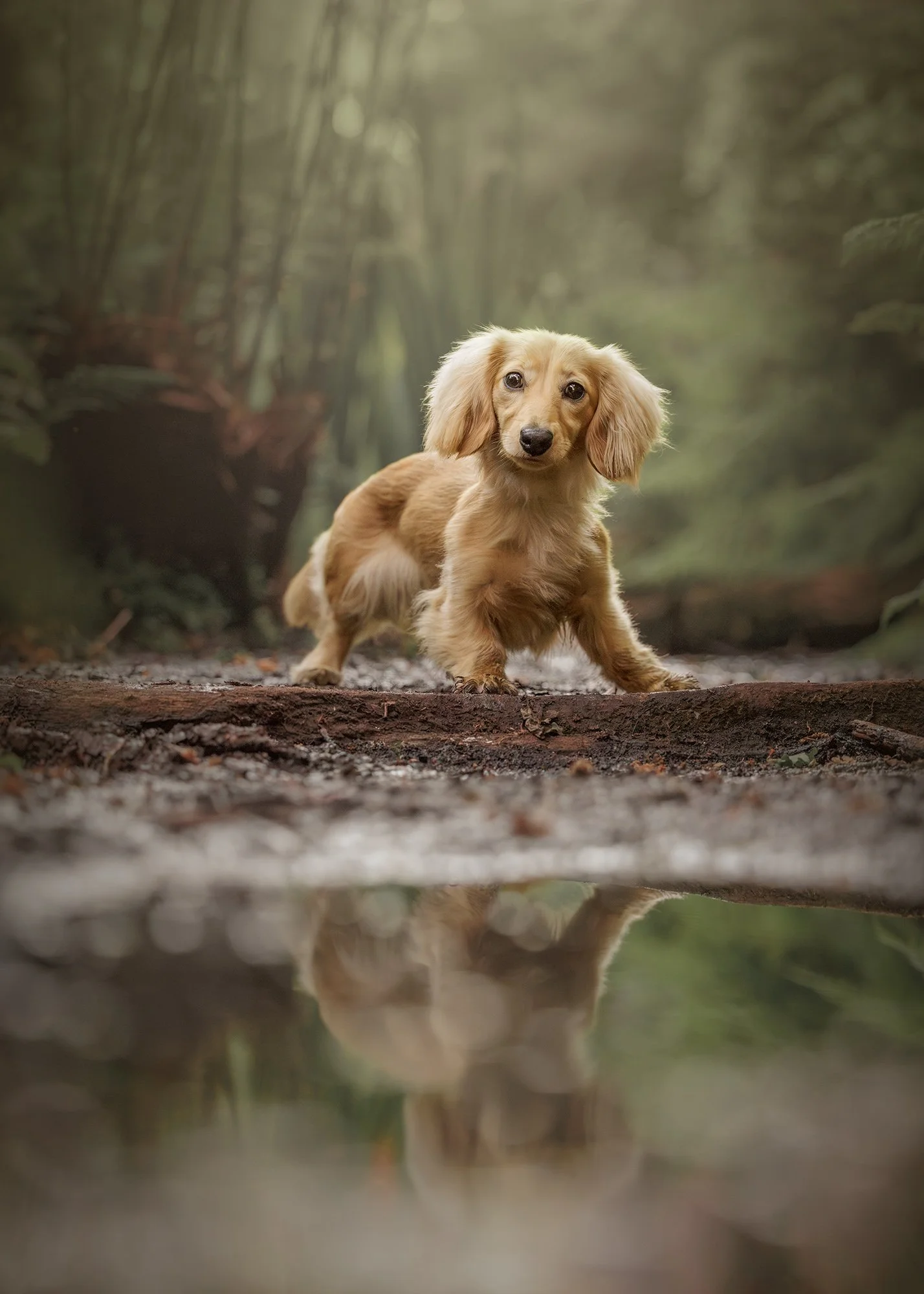
Taken in Isabella Plantation (Marley was on lead here - removed by magic in retouching)
Pen Ponds
Pen Ponds feels like an exhale. Open sky, water, and long views.
Remember: dogs should be on lead around ponds, including Pen Ponds.
That said, it’s still a brilliant place to pause, practise calm lead walking, and let your dog take in the environment.
The Tamsin Trail (the classic loop)
Around the perimeter, the Tamsin Trail is a well-known route of just over 7 miles. You don’t need to do it all to enjoy it, but it’s a useful spine for planning longer walks or linking areas together.
King Henry’s Mound
A viewpoint with a sense of hush to it. It’s less about the landmark view and more about the feeling of standing above the landscape for a moment, letting the dog settle beside you.
Bluebell season
In spring, woodland areas can be carpeted with bluebells. It’s breathtaking and delicate. Keeping dogs on paths protects the flowers and keeps the moment feeling gentle rather than chaotic.
Horses, stables, and sharing space well
Richmond Park is a place where you may see horses, and it’s worth mentioning because the first horse encounter can be a big moment for some dogs.
The Royal Parks explicitly notes Richmond Park can be explored “on horseback”, and there are established riding routes and bridleways.
There are also stables on the edge of the park, including Stag Lodge Stables near Robin Hood Gate.
How I suggest handling horses with dogs
Put your dog on lead as soon as you spot a horse, even at a distance
Step to the side of the path and create a calm “watch and wait” moment
Keep your voice low and relaxed, most dogs copy your energy
If your dog is worried, add distance rather than forcing them to “cope”
It’s one of those situations where being proactive prevents drama. And it’s kinder for everyone.

Marley (another one!) on his first ever visit to a public park. The First Year Celebration package is perfect for documenting your dogs first year with you.
What kind of dogs does Richmond Park suit?
You said it best: it can work for almost all dogs because it’s so vast. The nuance is in how you plan.
Confident off-lead dogs
Yes, if you have genuinely reliable recall and you’re deer-aware. Richmond Park is not the place to test a “nearly there” recall when deer are present. Off-lead freedom should feel like ease, not risk.
Long-line and sniffy explorers
Possibly one of the best parks in London for long-line enrichment, especially away from the busiest pinch points. It’s rich, varied, and mentally satisfying.
Nervous or reactive dogs
Yes, and it can be brilliant, but timing is everything. Early mornings and quieter weekdays give you more control over space and reduce surprise greetings. Woodland routes can also help you avoid face-to-face pressure.
Dogs with joint issues or reduced stamina
You can still have a wonderful Richmond Park experience without walking miles. Choose a gate and car park that puts you close to flatter routes, then keep the walk shorter and richer rather than longer and demanding.
Walking routes and how to shape your visit
Rather than giving you one rigid “best route”, here’s how I recommend thinking about Richmond Park. Decide the feeling you want first, then choose your area.
If you want wide open decompression
Head into open grassland and let your dog roam (on lead or off-lead, depending on deer and season). Keep moving, keep scanning, and use the space to avoid pressure.
If you want woodland and shade
Choose wooded paths and allow a slower, sniff-led walk. These routes can feel calmer for dogs who find wide-open spaces overwhelming.
If you want floral and photographic moments
Isabella Plantation in bloom is the obvious answer, but even outside peak season, the light and textures here are beautiful.
If you want a “little bit of everything”
Build a route linking meadow, woodland, and a point of interest such as Pen Ponds. Richmond Park rewards wandering.
Accessibility and practical comforts
Richmond Park is wonderfully natural, but that also means it’s not uniformly smooth or flat.
Mix of roads, trails, grassland, and woodland paths
Some hills and uneven ground
Accessible options exist at key points, including near Roehampton Gate
Toilets
Isabella Plantation has toilets within the garden, including wheelchair-accessible cubicles, with seasonal opening details.
Seasonal guide for dog guardians
Spring
Bluebells, fresh green growth, and that hopeful feeling in the air. It’s a stunning season for both walking and photography.
Summer
Long days, more visitors, and warmer ground. Early mornings are calmer and cooler, which many dogs appreciate.
Autumn
Golden light and dramatic colour, but also the rutting season. This is when awareness matters most, and when you may need to adjust plans quickly.
Winter
Quieter, crisp, and often peaceful. Woodland paths can be muddy, but the park has a stark beauty that feels restorative.
Practical tips for a calm, dog-first visit
Carry water and a lead, even if your dog is usually off-lead
Keep a distance from deer, at least 50 metres
Expect dogs to be on lead around ponds and lakes
From 1 May to 31 July, dogs must be on lead everywhere
Choose quieter times if your dog is sensitive
Let the walk be shaped by how your dog is coping, not by a planned distance
Things to do after your walk (dog-friendly, done thoughtfully)
If your dog still feels settled and you’d like to extend the outing gently, Richmond is full of places that welcome dogs as companions, not accessories. I always suggest choosing a place that's calm enough for your dog to lie down comfortably and decompress, rather than a busy place where they have to stay “on”.
In and around the park
Roehampton Gate Café (at Roehampton Gate car park) has indoor and outdoor seating and is a handy, low-effort stop to end a walk well.
Nearby dog-friendly pubs and cafés worth knowing
The Lass O’Richmond Hill (near Richmond Park) is explicitly dog-friendly and set up for muddy-paw post-walk visits.
The Roebuck (Richmond Hill) is dog-welcoming and a lovely choice if you want views and a slower-feeling stop after the park.
The White Cross (by the Thames) is known for being dog-friendly and is a classic option if you want to pair the park with a riverside wander.
Petersham Nurseries Restaurant or Teahouse welcomes well-behaved dogs and can make for a special, slower outing if your dog enjoys settling alongside you.
A gentle reminder: if your dog feels tired, overstimulated, or simply done, heading home is always the kinder option. Ending on a good note is part of walking well together.
A quiet note from me, as a photographer
Richmond Park is one of my favourite places to photograph dogs, not because it’s famous, but because it’s truthful.
That sunrise backlight over a slight hill, the way dogs move differently when they have space, the softness that appears in their faces when nothing is being demanded of them, it’s all there, waiting. And when deer are nearby, and we calmly change direction, it doesn’t feel like an inconvenience. It feels like part of the relationship you build with this place. A shared understanding that we’re visitors in a living landscape.
That’s how I try to photograph, too. With respect, patience, and room for the dog to be themselves.
Final reflections
Richmond Park is a gift to London dog guardians. It offers nature that feels real, space that feels generous, and beauty that doesn’t require leaving the city.
Walk slowly when the light is good. Lead up when deer appear. Choose calm routes when your dog needs calm. And let the park do what it does best: help you both exhale.
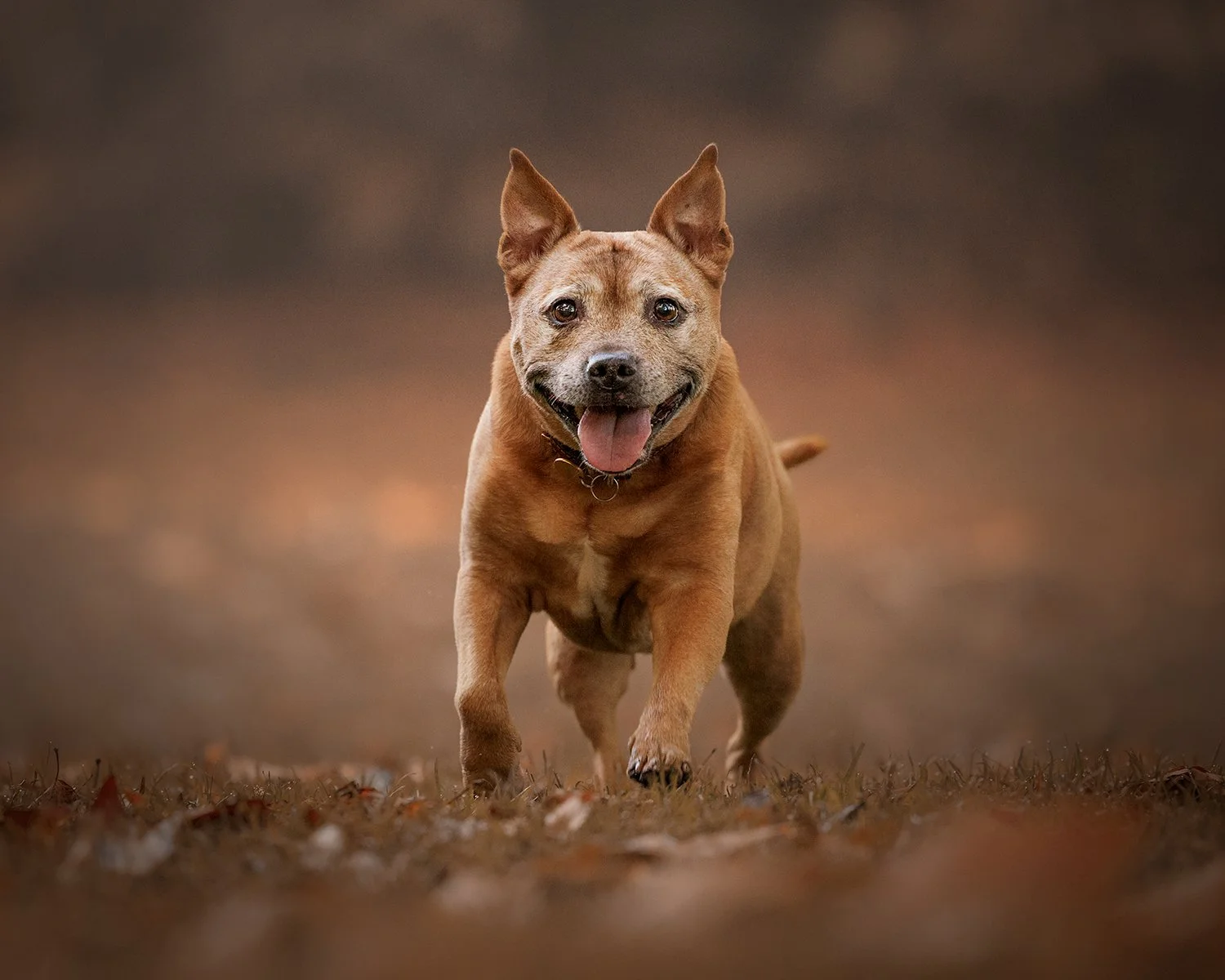
If walking here has ever made you pause and think,
I wish I could hold onto this version of them, that feeling matters. That’s exactly what my portrait sessions are designed to honour.
You can explore my dog photography work and see if it feels right for you and your dog whenever the time feels gentle enough to do so.